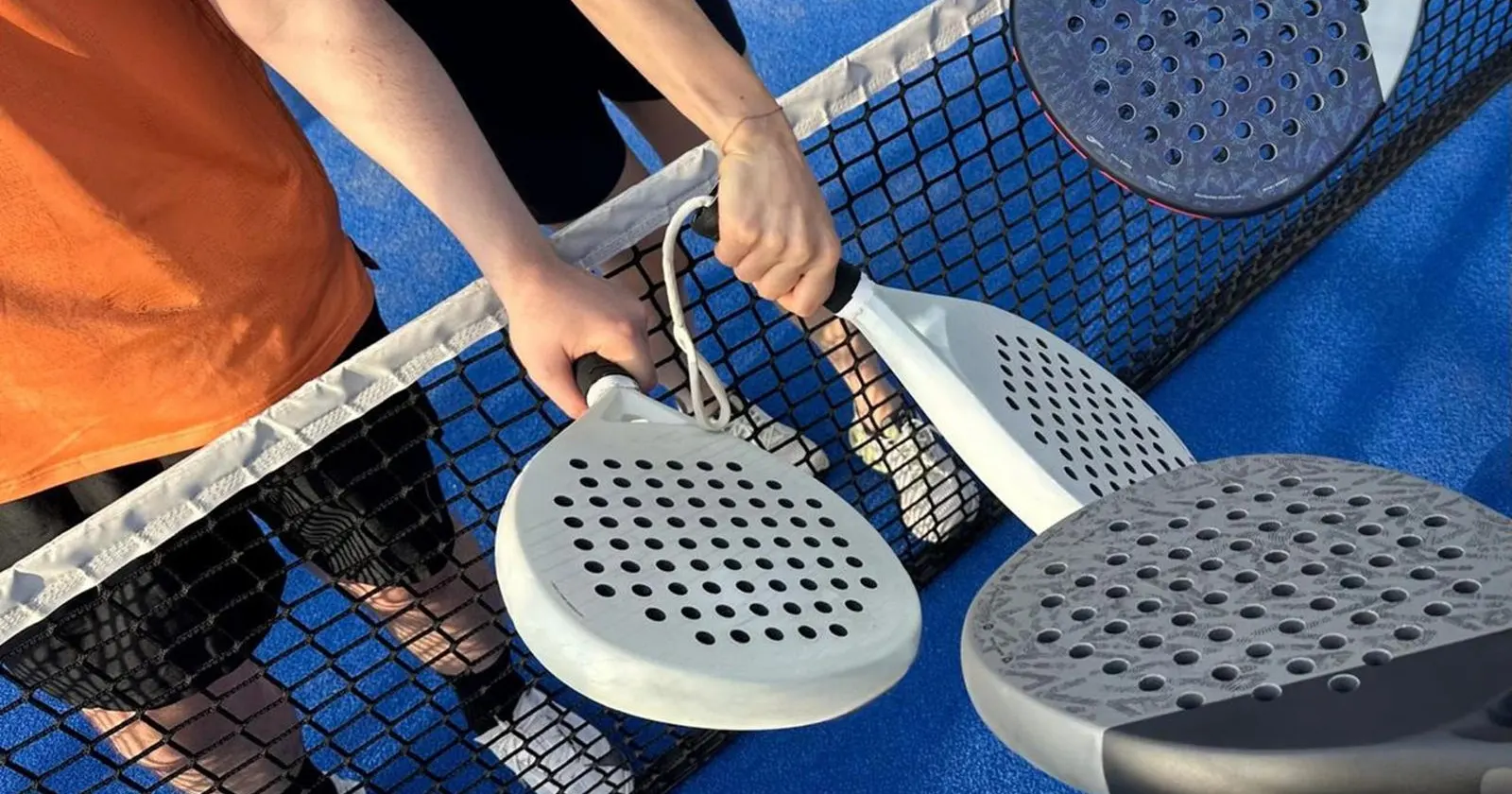
Published · Tennis Padel UK
Why is padel suddenly so popular? The short answer is that an appealing game has become much easier to find. Padel gives beginners a manageable way into racket sport, puts four people together on one court and offers enough variety to keep improving players interested. More venues, stronger media coverage and high-profile supporters have brought it to a much wider audience. The result is not just more people hearing its name, but more opportunities to book a first session.
The longer answer needs some care. A busy club is not proof that everyone plays, and celebrity photographs cannot explain why someone comes back each week. This guide separates the published participation figures from the practical reasons people enjoy the game. If you are thinking of trying it yourself, our padel for beginners in the UK guide explains the rules, equipment and etiquette before your first booking.
The UK growth is real, not just a social media impression
The Lawn Tennis Association’s annual-report update, published on 20 May 2026, reported that padel participation doubled during 2025 to 860,000. It also said the number of courts in Britain rose to more than 1,500, and that participation had since passed one million players. Those figures give the growth story a firmer basis than search trends or an unusually full evening at a local venue.
It is important to understand what those numbers mean. The Guardian’s March 2026 report on padel’s growth described the 860,000 as people who played at least once in 2025. That is not the same as 860,000 weekly players, paid members or league competitors. Annual participation measures reach. Whether new players develop a lasting habit depends on affordable sessions, useful coaching and convenient courts. Growth in trial and growth in regular play are related, but different.
It feels new in Britain, but the sport is not new
Padel originated in Mexico in the late 1960s and developed strong followings elsewhere before its recent British expansion. For many UK players, the sudden change is local visibility rather than the invention of a new sport. A court opens near home, a friend suggests a match and a game previously encountered on holiday becomes part of an ordinary weekend. That makes a long-established activity feel like a recent discovery.
This distinction helps explain the speed of the change. New British venues can draw on an existing sport, established rules and an international playing culture. They do not have to persuade people to invent a game from scratch. Yet familiarity abroad does not guarantee success in every town. Local demand, travel times, session prices and the way a venue welcomes beginners still decide whether interest becomes repeated bookings.
The first few rallies can arrive quickly
One of padel’s strongest attractions is the possibility of enjoying a proper exchange early on. The underarm serve removes the need to learn an overhead service action before starting points. The solid racket and compact court can also make initial contact feel manageable. With suitable coaching and other beginners, players can work on simple rallies rather than spending the whole session retrieving missed serves.
That does not mean padel requires no skill. Rebounds from the glass can be confusing, and a badly matched group can make any sport frustrating. The point is that a well-run introduction offers an early sense of progress. You make a return, survive a short rally and understand why you won a point. Those small successes give people a reason to arrange another game while the experience is still fresh.
Doubles makes social contact part of the game
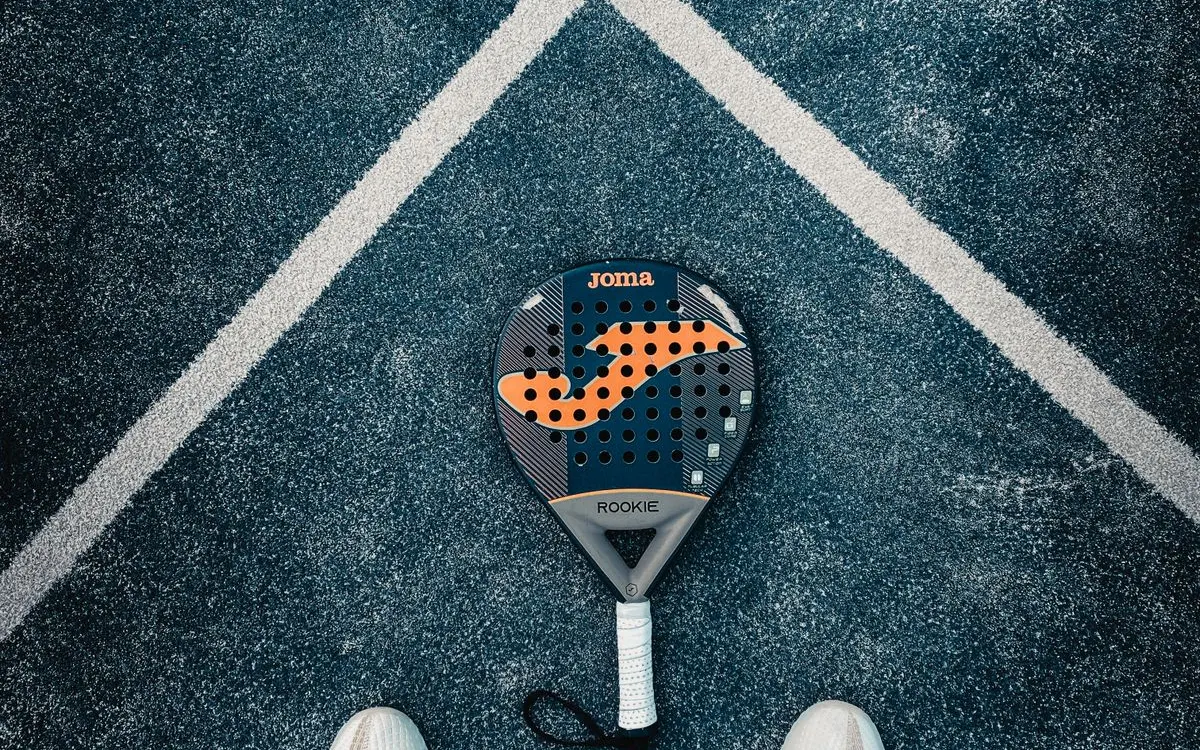
Standard padel is played in doubles. Four people share the court, partners talk about positioning and everyone takes part in the same contest. The social element is not an optional extra after the exercise: it happens during the session. A good match can combine concentration, competition and conversation without asking everyone to be equally serious about results. That is an attractive mix for friends who want something active to do together.
It can also offer a way to meet people beyond an existing friendship group. Beginner mixers and organised social sessions remove some of the work of finding three partners. But this depends on the club’s programme, not just the court itself. A welcoming organiser, clear level descriptions and fair rotations can make a newcomer comfortable. An ungraded booking with much stronger players can have the opposite effect. The best social experience is usually planned, not accidental.
More courts turn curiosity into an actual booking
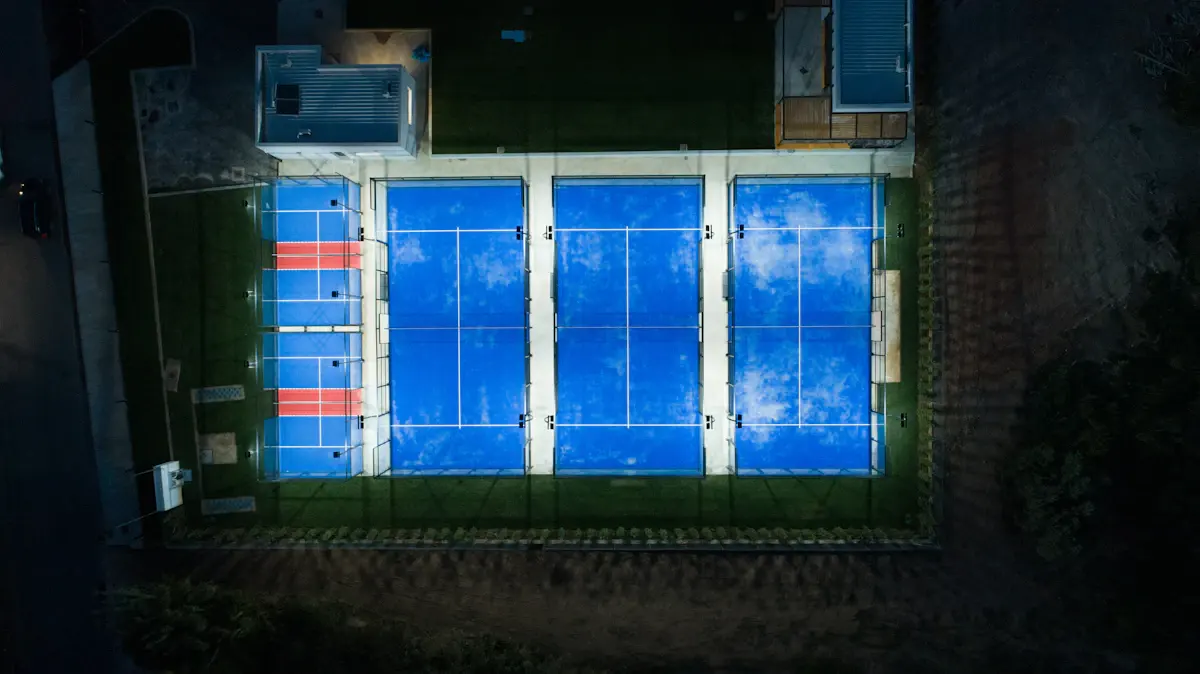
A person cannot become a regular player if their nearest court is impractical to reach. Court expansion therefore matters alongside padel’s appeal. The LTA’s report of more than 1,500 courts by the end of 2025 helps explain why more people could try the sport. Availability makes a passing recommendation useful: instead of merely watching a clip, a group can look for a session within travelling distance.
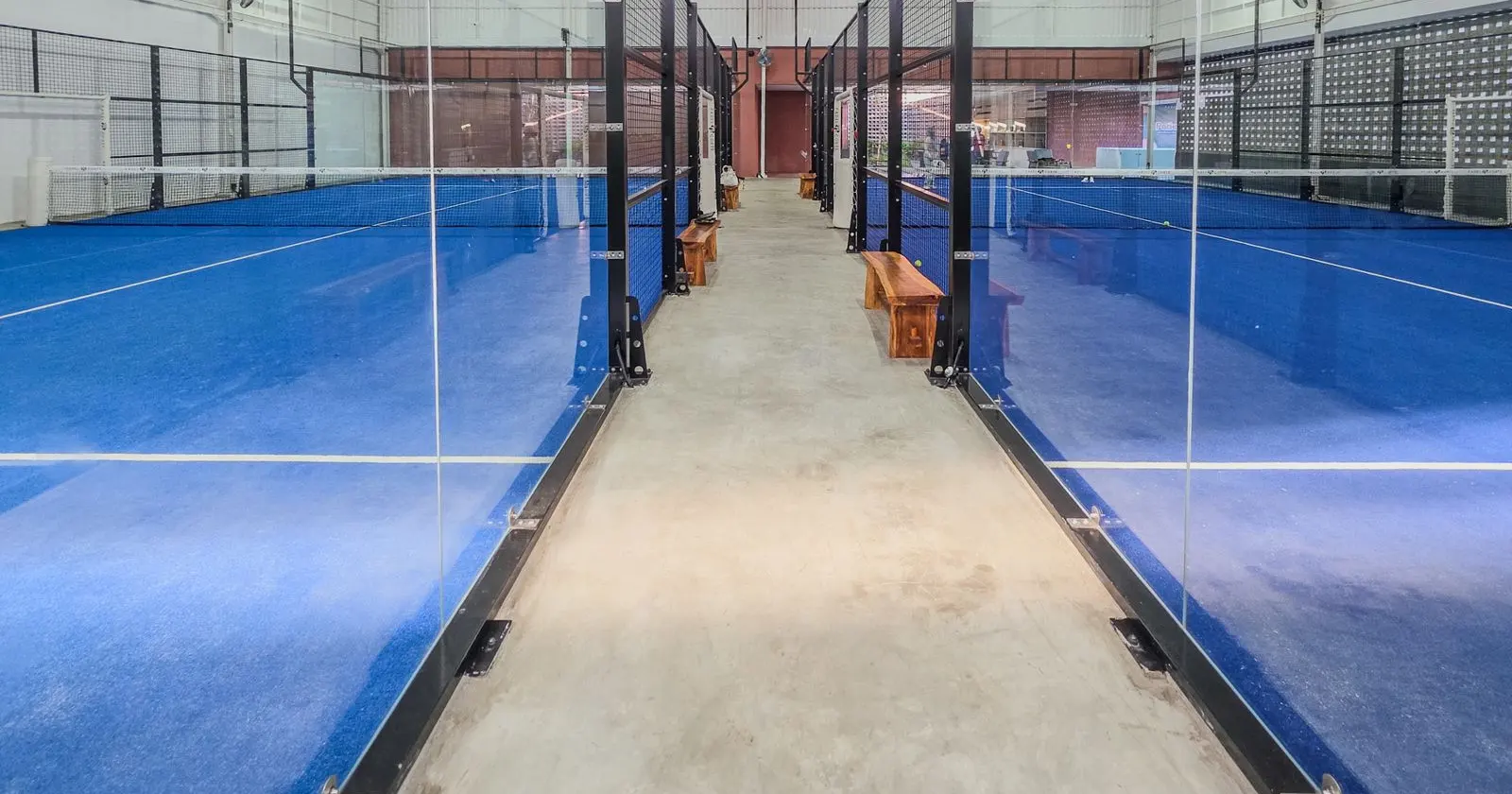
Indoor and covered venues can also make a regular routine easier to plan, although facilities differ. Reliable booking, racket hire, coaching and an evening session after work may matter more to a beginner than a glamorous clubhouse. Supply and demand can reinforce each other: more places create more chances to play, while visible interest encourages further investment. That is a reasonable explanation of the pattern, not proof that every proposed court will find enough customers.
Famous players help people notice it
The Guardian’s March 2026 report highlighted supporters including Andy Murray and well-known figures from entertainment and football. That kind of attention introduces padel to people who do not follow specialist racket-sport news. A familiar face provides a quick reason to stop scrolling, while a short rally video makes the enclosed court and unusual racket easy to recognise. The sport gains exposure beyond its existing players.
Celebrity interest is best understood as an introduction, not a complete explanation. Seeing a famous person play may prompt a search, but it does not make a difficult booking easier or a poor first session enjoyable. For continued growth, the product on court must work for ordinary players. Attention opens the door; a friendly group, manageable challenge and convenient next booking give people reasons to walk through it again.
The game offers more depth than the first session suggests
Padel combines an accessible start with a large amount to learn. The walls change when you hit, where you stand and how you defend. A powerful shot is not always a winner because a useful rebound can give the opponents another chance. Placement, patience and movement with a partner become increasingly important. A player who enjoys solving problems can find plenty to work on without needing to hit harder every week.
This helps explain why the sport can appeal to both complete beginners and experienced tennis players. The beginner gets an achievable starting point. The tennis player brings useful timing and ball skills but must adapt to a different court. Both can discover new tactics. Enjoying the first hour is valuable, but having a next skill to learn is what gives a coach, social group or league a reason to keep meeting.

Exercise becomes a shared appointment
For some people, a booked match is easier to maintain than an open-ended intention to exercise. Partners expect you to arrive, the session has a start time and the game gives attention somewhere specific to go. Instead of counting minutes, you are watching the next ball and working with another person. This is a practical attraction, not a guarantee that padel will suit everyone or replace other forms of activity.
The smaller court should not be mistaken for a promise of gentle exercise. Padel involves quick changes of direction, short accelerations and reactions near other players. Warm up, choose suitable footwear and build session length gradually. If you have a medical concern or persistent pain, seek individual advice. A sport can be welcoming to beginners and still place real demands on balance, joints and fitness, especially as matches become more competitive.
Is padel affordable and accessible to everyone?
Not yet, and popularity should not hide that question. Splitting a court fee between four players can make a session manageable, but prices vary by venue, time and location. Equipment hire, coaching, transport and membership charges can add to the total. An expensive peak-time booking may be out of reach even where an off-peak offer looks attractive. There is no single national price that describes every player’s experience.
Time and confidence are barriers too. Some people cannot attend daytime sessions; others need adapted provision, clearer information or help finding suitable partners. Strong long-term growth needs more than new buildings. It needs sessions that different people can realistically use. Before joining, ask about beginner groups, hire costs, cancellation terms and access arrangements. A venue that answers those questions clearly may be a better fit than one with a more fashionable image.
A familiar format makes it easier to invite a friend
Padel is unusual enough to feel like trying something new, yet familiar enough to explain in a short invitation. Most people understand the idea of sending a ball over a net. Tennis players recognise the points system, while newcomers can learn the basics without studying a long list of specialist terms. That balance may help word of mouth: an enthusiastic beginner can describe a good session to a friend and suggest joining the next one. The invitation does not require the friend to identify as an athlete or commit to a season.
There is still a difference between welcoming mixed experience and ignoring skill gaps. Friends can practise cooperatively, shorten a session or take a shared lesson before playing a competitive match. A coach can explain how to serve safely and move together, instead of leaving the most confident player to invent the rules. This makes the first visit more useful for everyone. The invitation is only the beginning; a considerate introduction gives the guest a fair chance to enjoy it and decide whether they want their own regular game.
Can the boom last?
The evidence shows rapid expansion, but it does not guarantee an uninterrupted future. Keeping players means maintaining courts, training coaches, matching levels and offering good value. New projects also need suitable locations and responsible management of lighting, noise and neighbouring uses. A busy launch is only the start. The more useful question is whether people can find a satisfying game at a time and price they can sustain.
Padel also does not need to replace tennis to succeed. Different formats can serve different moods, friendship groups and goals. Someone may enjoy tennis singles one week and social padel the next. If you are choosing between them, our difference between tennis and padel guide compares courts, equipment, serving and tactics. Understanding the distinction is more helpful than treating the sports as rivals in a popularity contest.
How to find out whether the appeal is right for you
Book a genuine introduction rather than an advanced open match. Check that equipment is available, ask what footwear suits the surface and choose a group described as suitable for first-time players. Focus on returning the ball, calling clearly and learning one basic wall rebound. You do not need an expensive racket or an ambitious training plan to discover whether you enjoy the experience. A sensible first booking is enough.
So why is padel suddenly so popular? A social, engaging sport has become more visible and more available, while many newcomers can enjoy rallies before mastering complicated technique. Published figures support the scale of the rise; the everyday experience explains its appeal. Its future rests on welcoming people back, not simply attracting their attention once. For more independent guidance on playing, court projects and sport-led living, visit tennis padel.