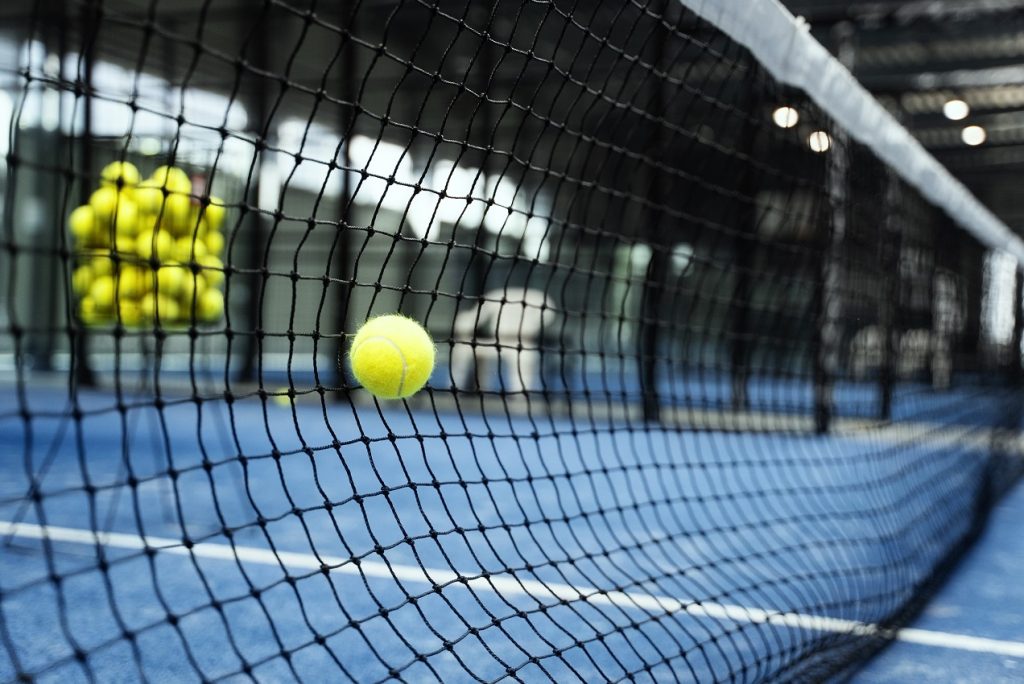
Padel vs Golf for Executives?
It begins with a glass wall and ends in an economic opportunity. Padel, the hybrid racket sport that fuses tennis, squash and a touch of social theatre, is no longer a niche pastime imported from Spanish leisure culture. In Britain’s boardrooms and private equity circles, it is fast becoming the new symbol of social capital—an arena for informal networking, status signalling, and strategic investment.
The question posed in upscale sports circles is no longer what is padel, but rather: is padel becoming the new golf?
In tracing the trajectory of padel’s explosive growth, the parallels with golf—long regarded as the executive sport of choice—are unmistakable. Where golf once brokered deals, padel now incubates startups. Where courses once held AGMs, courts now host VC meetups. And where the clubhouse once defined hierarchy, today it is the doubles partner rotation that reveals one’s influence.
But behind this sporting shift is a serious economic story—one bound up with land use, consumer spending, hospitality, and the evolving taste of a post-pandemic workforce.
A Compact Game with Expansive Potential
Padel’s rise in the UK has been sharp. The number of courts in operation has more than doubled in the last two years, and industry estimates suggest that over 400 new courts are planned nationwide over the next 18 months. The Lawn Tennis Association (LTA), now also governing padel development, has openly prioritised the sport as a participation driver—aiming for mass market accessibility through schools, leisure centres and boutique private clubs.
Yet padel’s appeal to the executive class is neither accidental nor entirely grassroots. The game’s short match duration, low physical entry threshold, and emphasis on doubles team play make it ideal for time-poor professionals seeking both physical engagement and informal business rapport. Unlike golf, which can consume four hours and a generous allowance of patience, padel allows its adherents to fit in a competitive fixture over lunch—without needing a handicap certificate or a sky-high swing speed.
The economics align, too. A standard padel court occupies roughly one-third the space of a full tennis court. That makes it ideal for urban development, particularly in the capital where land premiums make full golf courses less viable. In central London, commercial property consultants estimate that a padel club can generate 3–5 times the ROI per square foot compared to traditional racquet facilities, particularly when coupled with premium hospitality services.
Corporate Wellness Meets Soft Networking
The decline of golf’s corporate dominance is not born of dislike, but of logistics. As hybrid work models blur the once-distinct divide between office and leisure, the settings for professional networking have changed. The demand is now for activities that blend purpose with performance—both personal and professional.
Padel meets that demand. It serves the twin appetites for physical wellbeing and low-friction networking. Club operators have begun to notice an uptick in weekday midday bookings—not from traditional fitness consumers, but from tech founders, investment managers, and law firm partners arranging “working rallies” in lieu of pub lunches or co-working spaces.
Membership data from premium padel clubs in London, Cambridge and Surrey reveals that 40% of weekday bookings are now classified as ‘business use’, where one or more players are affiliated with a corporate entity or commercial enterprise. Clubs have responded by offering tiered memberships for corporates, including branded leagues and company wellness packages. These sell at premiums between 25% and 40% above standard rates, indicating a clear willingness to pay for access to the right kind of recreational platform.
From Tee to Tactics: Why Executives Are Switching
If golf epitomised the solitary focus of a previous business era, padel reflects the collaborative nature of the present. Doubles play, rapid-fire exchanges, and strategic court positioning require communication, adaptability and team awareness. It is, in a sense, a physical analogue to modern enterprise culture—agile, high-tempo, and constantly responsive.
Moreover, there is an aesthetic element to padel that appeals to image-conscious professionals. The courts are sleek, enclosed in glass, often floodlit and paired with high-end lounges. The gear, too, has become a point of differentiation. Rackets made of carbon fibre with polished finishes retail upwards of £180–£250, while branded apparel and signature shoes from Nike, Babolat, and Bullpadel drive the sport’s fashion crossover.
These accessories matter not only for performance, but for social distinction. In a sport that is still emerging in public consciousness, signalling familiarity—through kit, vocabulary, and technique—becomes a proxy for status, just as a consistent draw in golf once did.
Padel Clubs: The New Clubhouse
For property developers and venture investors, the true opportunity lies in the padel ecosystem, not simply the courts. Just as golf created entire clubhouses, conference venues and hospitality lines, padel clubs are evolving into social hubs. The difference is scale.
The modern padel venue is as much about post-match conversation as it is about competition. Cafés, smoothie bars, co-working zones and event spaces are being integrated into court developments—offering clubs multiple revenue streams and reasons for members to linger beyond the game.
According to a report from a UK-based leisure consultancy, non-court revenue now accounts for 35–50% of total income at top-tier padel venues. This includes food and beverage, merchandise, corporate hire, and branded events. These additional offerings increase both the average revenue per user and member retention rates—critical metrics in a fragmented fitness and leisure landscape.
Landlords and Local Authorities Take Notice
The relatively small footprint of padel courts is attracting attention from commercial landlords looking to revitalise underutilised sites. Disused retail spaces, business parks, and even former car parks have been identified as viable locations. The capital expenditure to build a single panoramic-glass padel court with LED lighting and anti-slip surfacing typically falls between £35,000 and £55,000, depending on materials and foundation work.
That investment is often recoverable in under two years in high-demand zones. Moreover, clubs are reporting waiting lists—particularly for prime-time evening slots—suggesting that demand may continue to outstrip supply in the near term.
Local authorities are also partnering with private developers to introduce padel courts into community recreation strategies. This further accelerates mainstream adoption and positions padel not only as a corporate luxury, but as a viable public health tool—adding to its societal value proposition.
Coaching, Tournaments and the Rise of Padel Ambassadors
Just as golf had its teaching pros and corporate tournaments, padel is developing its own verticals. Coaching academies have sprung up across the country, offering everything from beginner courses to advanced tactical training, with prices ranging from £35 for group sessions to £100+ for private elite coaching.
In the executive market, bespoke coaching for company teams is a growing trend. Firms are hiring in-club coaches to run weekly sessions as part of employee engagement programmes. Feedback from HR departments suggests that these initiatives not only boost morale but improve team dynamics—a measurable ROI in softer metrics.
Meanwhile, the padel tournament scene is gaining commercial interest. Branded executive leagues, charity events, and cross-club fixtures have become key touchpoints for engagement. Sponsors from fintech, health, automotive and legal sectors are increasingly using padel tournaments as customer-facing experiences. Branding opportunities range from court sponsorship to VIP lounge naming rights.
Padel as an Investment Class
Private equity and high-net-worth individuals are now examining padel infrastructure as a distinct asset class. Compared to traditional leisure investments, padel offers relatively low upfront costs, diverse revenue channels, and attractive demographic reach. Return on investment, particularly in metropolitan markets, often exceeds benchmarks associated with boutique gyms or even co-working spaces.
Multiple multi-site operators are in formation, aiming to create national chains that combine courts, digital booking platforms, and lifestyle retail in one seamless customer journey. These operators are likely to attract consolidation interest in the next investment cycle, particularly as the padel market matures and audience engagement deepens.
Generational Shifts and the Executive Brand
Underlying the commercial buzz is a generational transformation in what “executive sport” looks like. Where Gen X and Baby Boomers might have leaned toward the ritualistic solitude of golf, younger professionals—especially in finance, tech, and creative sectors—favour dynamic, fast-paced, collaborative activities.
Padel is winning because it feels contemporary. It requires no green fees or decades of tradition. It rewards strategy but forgives physical imperfection. And, crucially, it’s social without being sedate.
It also aligns with how executives now cultivate their personal brands. Being a padel player projects energy, modernity, and connectedness—traits prized in contemporary leadership archetypes.
The Risks and Realities
No sector is without its risks. Saturation could eventually cool demand, particularly in less affluent areas where court construction costs remain prohibitive. There is also a shortage of certified coaches, and a lack of coherent long-term national infrastructure.
Moreover, padel’s rapid rise has sparked debate around land use, noise management in residential areas, and long-term sustainability. Savvy investors will need to balance enthusiasm with a grounded understanding of location strategy, market saturation, and shifting consumer behaviour.
Conclusion: The Game Behind the Game
Padel, once a novelty, now stands on the cusp of something more consequential. Its court may be compact, but its commercial footprint is expanding rapidly. For Britain’s executive class, it offers more than recreation. It provides connection, community and commercial relevance in one glass-walled package.
And for investors, developers, and innovators, it may be the best shot outside the boardroom to score meaningful returns—in profit, profile and influence.
Financial Disclaimer: The information provided in this article is for general informational purposes only and does not constitute financial advice. While every effort has been made to ensure the accuracy of the content, market conditions may change, and unforeseen risks may arise. The author and publisher of this article do not accept liability for any losses or damages arising directly or indirectly from the use of the information contained herein.
Copyright 2025: tennispadel.uk
Picture by: freepik.com