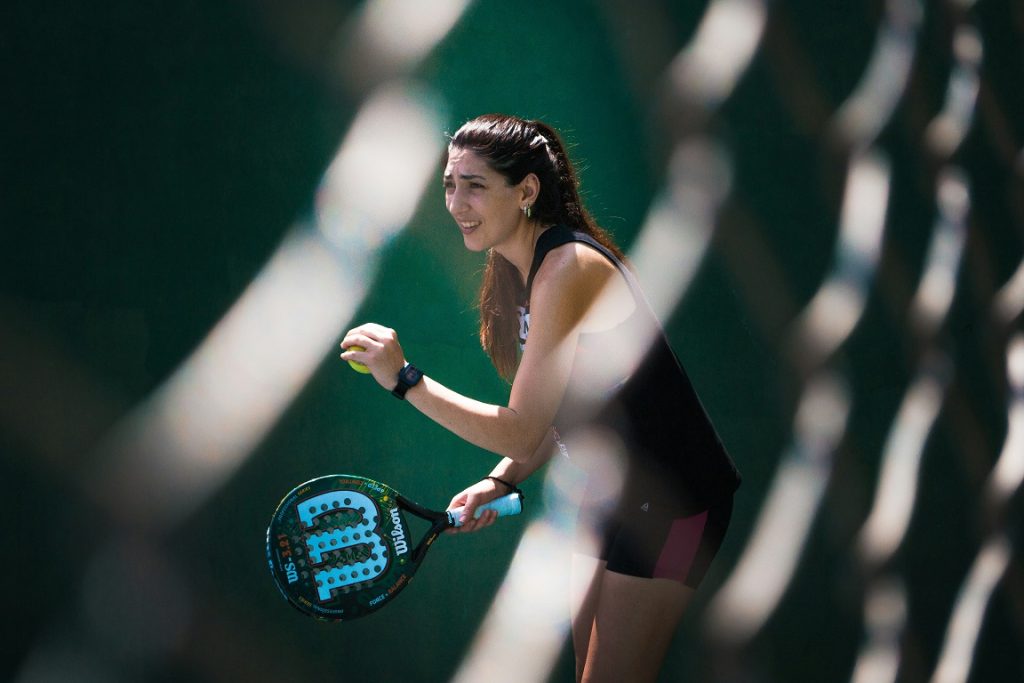
Shaping the Future of the World’s Fastest-Growing Sport
As padel tennis continues its meteoric rise across the globe, attention is turning not just to the stars of today, but to the players who will define its future. From suburban clubs in the UK to elite academies in Argentina, a generation of young athletes is emerging, one that reflects the game’s changing demographics, values and global reach.
Once regarded as a recreational pastime for older tennis converts, padel is now firmly embedded in school programmes, youth leagues, and high-performance pathways. It is a transformation being driven by parents, federations, coaches, investors and the players themselves — all recognising that padel’s best years may still be ahead.
The new wave is young, dynamic and increasingly professionalised. These are players not migrating from other sports, but specialising from day one — with padel as their sport of choice. And their arrival marks a turning point not just in playing style and talent depth, but in the global commercial and cultural positioning of padel as a serious sporting industry.
Padel’s Youth Surge: The Numbers Behind the Boom
In the last five years, junior participation in padel has doubled across much of Europe and Latin America. According to 2025 data from the International Padel Federation (FIP), the number of under-18 registered players globally has surged past 1.3 million — up from fewer than 500,000 in 2020. Spain and Argentina continue to dominate grassroots infrastructure, but countries like Italy, Sweden, France and the UK are rapidly closing the gap.
In Britain, the Lawn Tennis Association (LTA) — which also governs padel nationally — reports that junior participation has grown at a rate of 48% year-on-year since 2022. The UK now has more than 100 padel clubs offering dedicated coaching programmes for children and teens. Dozens of state and private schools, particularly in Scotland, the Midlands and southern England, are integrating padel courts into their long-term physical education investment plans.
At the heart of this growth is accessibility. Padel’s short learning curve, forgiving scoring format, and emphasis on teamwork make it especially appealing to younger players. Children can rally within minutes of picking up a racquet, unlike sports requiring months of technique refinement. That immediate reward fuels repeat play — the key to long-term engagement.
Building Talent Pipelines: The Academy Model
With participation booming, the natural next step is the development of elite youth academies — a trend already well established in Spain and now expanding internationally. These centres combine intensive coaching, nutrition, match play, and academic support, producing the sport’s first generation of home-grown professionals.
In Madrid, the M3 Academy — founded by former World Padel Tour (WPT) No. 1 Miguel Lamperti — trains dozens of players aged 12 to 18. Meanwhile in Buenos Aires, junior intake at the Marcelo Fernández Academy is full to capacity for the third year running. These schools serve as feeder systems not just for national teams, but for the expanding professional circuit.
In the UK, similar models are gaining traction. Game4Padel has launched junior development programmes in Edinburgh, London and Leeds, including scholarships for underprivileged youth. In partnership with the LTA, it has piloted a high-performance scheme at selected sites, aiming to identify and develop top-level teenage prospects by 2027.
Costs vary widely. A full-time academy placement in Spain may range from €10,000 to €20,000 per year, including tuition, board and competition travel. In the UK, semi-elite regional programmes typically operate on a part-time basis, with monthly fees averaging between £100 and £250, depending on coaching hours and facility quality.
While still nascent compared to tennis or football academies, padel is rapidly professionalising. With sponsorship interest rising and governing bodies providing clearer progression pathways, it is now possible for a talented young player to visualise a full career in the sport — from junior rankings to world tours.
Technology, Data and Gen Z Engagement
What sets the next generation apart is not just talent, but the way they train, interact and engage with the game. This is the first cohort raised on streaming, social media and wearable tech — and padel has proven especially suited to their digital fluency.
Many top academies now incorporate video analysis, performance-tracking apps and match simulations. Smart courts with AI-assisted shot tracking are being rolled out in cities like Milan, Stockholm and Dubai, with several already in place in London and Manchester. Players and coaches can analyse match footage in real-time, measuring shot selection, positioning and rally success rates.
This data-driven approach appeals not only to aspiring professionals but also to recreational teens, fuelling self-improvement and friendly competition. Platforms such as Playtomic and MATCHi — widely used in the UK and Europe — now offer junior ladders, stat tracking and social features designed specifically for younger players.
Social media has become the marketing channel of choice for the new stars. Teenage players from Sweden, Brazil and Italy regularly post highlights, drills and Q&As on TikTok and Instagram, attracting thousands of followers. Brands are taking note: youth ambassador deals are now commonplace, with companies like Bullpadel, Adidas and HEAD investing in players as young as 14.
The intersection of tech, media and sport is likely to define the next decade of padel — and today’s young players are already fluent in its language.
Schools and Universities: Institutional Momentum
A major reason for padel’s success among the next generation is its growing presence within education systems. In 2025, more than 200 schools across the UK include padel in their PE curriculum — a figure that has trebled in two years. Independent schools such as St Paul’s, Millfield and Fettes College have led the way, installing dedicated courts and hiring qualified padel instructors.
But state schools are not far behind. With funding from local councils and sport trusts, initiatives such as “Padel for All” in Greater Manchester and “Active Courts Scotland” are ensuring broader access, particularly in areas where sports provision has been historically underfunded.
Universities are also playing a pivotal role. The British Universities and Colleges Sport (BUCS) federation now officially recognises padel, and inter-university leagues are expanding. At the University of Bath, over 400 students signed up for padel in the first two weeks of the 2024–25 academic year. Cambridge and Durham are trialling competitive fixtures alongside traditional sports such as squash and hockey.
The appeal of padel to educational institutions is straightforward: it is inclusive, requires minimal playing space, and promotes physical literacy, teamwork and well-being — key metrics for student engagement and mental health in post-COVID education strategies.
If padel continues this trajectory, it is likely to become a standard feature in the sports offering of most UK schools and universities within five years.
Government and Federation Support
Policy support is increasingly aligning with padel’s youth momentum. In 2025, Sport England reaffirmed padel’s inclusion in its National Sport Strategy, citing its potential to boost youth participation in under-active regions. Funding is available for schools, councils and clubs applying for infrastructure and equipment grants.
The LTA continues to provide coaching bursaries and facility development schemes. Its “Padel Youth Pathway” is under expansion in collaboration with FIP, offering young players a route from county competitions to international events. This pathway includes U14 and U18 national championships, talent ID camps, and access to mentoring from WPT professionals.
Globally, the FIP is rolling out its Youth World Series, with events in Doha, Barcelona and Buenos Aires. These tournaments are designed to replicate the intensity and prestige of senior professional events, offering juniors not only experience but exposure.
Such institutional frameworks are vital. Without clear progression routes and financial support, even the most enthusiastic young player can be lost to the system. The alignment of governing bodies, schools and academies signals a serious, long-term commitment to youth development.
International Prospects: Who to Watch
While many of padel’s current stars came from tennis or squash backgrounds, the next generation is made up of players bred specifically for padel. At the junior level, several names are already turning heads.
In Spain, 16-year-old Sofia Aguilar has dominated the U18 circuit and is tipped to break into the senior WPT rankings by 2026. In Sweden, the sibling duo of Linnea and Felix Nordström — both under 17 — have secured contracts with major sponsors and are competing in senior qualifiers.
Closer to home, British talent is beginning to emerge. James Kavanagh, a 15-year-old from Surrey, recently won the Junior National Padel Open and is training part-time at a Spanish academy. On the girls’ side, Edinburgh-based Ailsa Mackinnon has received recognition from the LTA for her international performances, and has already featured in BBC Sport’s “Rising Stars of 2025.”
What unites these players is not just skill, but a professional mindset. Many juggle school, training and social media obligations with the poise of seasoned athletes. Their visibility is crucial to inspiring a new wave of players and positioning padel as aspirational, not just accessible.
Future Outlook: Challenges and Opportunities
Despite impressive progress, the road ahead is not without obstacles. Funding, access and coaching capacity remain unevenly distributed across countries and regions. While urban centres in the UK and Europe are flourishing, rural and lower-income areas often lack facilities or transport options.
The cost of elite training can also be prohibitive. Without scholarships, many families cannot afford regular coaching, travel or tournament fees. Ensuring the sport does not become exclusionary will require continued policy innovation and private-sector support.
There is also the question of global regulation. As padel inches towards Olympic recognition — with strong prospects for inclusion by 2032 — the need for unified youth development standards will grow. Currently, rankings, age groups and eligibility vary by federation, which can create confusion for players seeking to climb the international ladder.
Yet these are problems of growth, not decline. The very fact that such challenges exist is testament to padel’s ascent as a serious global sport.
The next generation of padel players is not just shaping the game on court. They are redefining what it means to be a sporting professional in the 21st century — tech-savvy, media-literate, diverse and ambitious.
Serving the Future, Today
Padel’s transformation from niche to mainstream is not just a story of courts and clubs, but of people. And nowhere is that more evident than in the rising generation of young players stepping into the spotlight.
With institutions aligned, infrastructure expanding, and a generation hungry to compete, the trajectory for youth padel looks stronger than ever. The task now is to sustain it — to build not just champions, but a culture of lifelong participation, international exchange and sporting excellence.
One thing is clear: the future of padel is already here. And it’s being led by a generation that’s ready to serve, spin and smash its way into history.
Financial Disclaimer: The information provided in this article is for general informational purposes only and does not constitute financial advice. While every effort has been made to ensure the accuracy of the content, market conditions may change, and unforeseen risks may arise. The author and publisher of this article do not accept liability for any losses or damages arising directly or indirectly from the use of the information contained herein.
Copyright 2025: tennispadel.uk
Picture: by Gabriel Martin on Unsplash.com