2025’s Must-Have Sports Equipment
Padel Tennis has gone from a Niche Pastime to Worldwide Phenomenon. The padel tennis racquet, once a novelty confined to the sunlit leisure courts of Marbella and the elite clubs of Mexico, has rapidly become a global sporting icon. In 2025, the racquet symbolises far more than a game — it stands at the heart of a movement that is shaping fitness, fashion and leisure worldwide.
With its distinctive perforated face and solid structure, the racquet has been reimagined by manufacturers in response to a sport growing at an extraordinary pace. Courts are now a common sight in urban hotspots from Dubai to Dublin, São Paulo to Shanghai. Padel is no longer emerging — it has arrived.
This meteoric rise is reflected in soaring racquet sales, industry forecasts and public appetite. The real question isn’t whether to buy a padel racquet — it’s how to choose the right one.
The Anatomy of the Padel Racquet: Performance Engineered
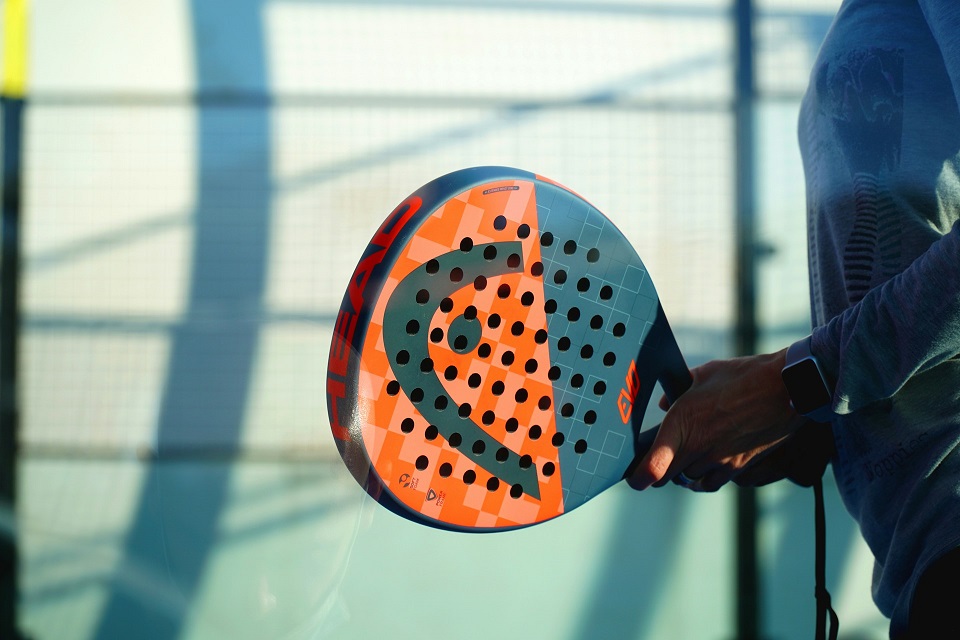
A padel racquet is unlike any other. Smaller than a tennis racquet and stringless by design, it features a compact frame with a carbon or fibreglass face perforated by holes to reduce drag. Internally, the core is made from EVA rubber or hybrid foams, designed to balance control and power.
Shape and weight influence the playing experience dramatically. Round-shaped racquets are ideal for control, while teardrop and diamond shapes cater to power players. Weight ranges from 340g to 375g, with lighter models favouring finesse and heavier racquets delivering explosive smashes.
Top manufacturers now embed vibration dampening systems, carbon-reinforced frames and moisture-resistant grips. The 2025 market standard has shifted: entry-level racquets retail around £80, while flagship professional models from Head or Bullpadel can exceed £350. For enthusiasts and semi-pros alike, the appeal lies in this blend of technological precision and tactile satisfaction.
Sales Surge: Global Growth of Padel in 2025
According to data compiled by Statista, the global padel equipment market is projected to surpass £800 million by the end of 2025 — with racquets accounting for the bulk of retail volume. This figure reflects the growth of more than 85% since 2022, spurred by rapid court installations, club memberships and increasing visibility in international media.
In Spain, over 6 million active players make padel the second most played sport behind football. In the UK, the Lawn Tennis Association (LTA) confirms that more than 350 public padel courts are now in operation — with court bookings up 43% year-on-year as of May 2025 (LTA.org.uk).
Major retailers such as Sweatband.com, Padel Shack, and Tennis Point report consistent stock depletion of mid- and top-tier racquets. The rise is particularly steep among fitness-conscious professionals in their 30s and 40s, who view padel not just as a sport, but a lifestyle extension.
Leading Brands Shaping the 2025 Racquet Market
Padel’s competitive landscape is dominated by a handful of well-established and emerging brands. Each brings distinct value propositions to players across skill levels.
Bullpadel: With endorsement deals including World No.1 players on the World Padel Tour (WPT), its Vertex and Hack ranges are known for superior build and comfort.
Head: Renowned for innovation, Head’s Gravity and Extreme lines employ graphene and smart grip tech to reduce strain on joints, targeting intermediate and tournament-level players.
Babolat: The French heritage brand transitioned from tennis to padel with models like the Air Viper, which balance lightweight design with raw striking force.
Adidas, Nox, and Wilson also hold influential market share, while Decathlon’s Artengo line remains a value-driven favourite in both the UK and France.
New entrants in 2025 — particularly boutique brands offering personalised options — are disrupting the hierarchy. AI-assisted racquet selection and custom grip moulding are drawing tech-savvy buyers and bolstering customer loyalty.
What Makes Padel Racquets Unique
Padel is played on an enclosed court with rebound walls, requiring fast, controlled reflexes and angled shots. The ball — lower in pressure than a standard tennis ball — stays in play longer, resulting in higher rallies and more strategy-driven gameplay.
This environment demands gear tailored to rapid shifts and close-quarter reactions. Traditional tennis racquets are ill-suited due to their size and stringbed. In contrast, the padel racquet’s solid face and compact form enable decisive volleys and wall returns.
Its weight distribution is typically balanced or slightly head-light — optimised for quick wrist movement. This design aids injury prevention, especially in amateur circuits where “padel elbow” (similar to tennis elbow) is a rising concern. Brands now invest heavily in ergonomic testing and injury-mitigating features to make racquets more comfortable for players of all abilities.
Green Credentials: Sustainability Becomes a Selling Point
The 2025 racquet market is increasingly driven by environmental awareness. Consumer demand has encouraged manufacturers to reduce their ecological footprint. The Siux Electra ST3 Eco Edition, for example, is composed of 90% recycled carbon and shipped in compostable packaging.
Varlion, another leading Spanish manufacturer, has pledged full carbon neutrality by 2026, incorporating bamboo, bio-resins and vegan leather grips. According to a 2025 YouGov poll, 64% of under-35s in Europe and the Gulf said eco-design is a top priority in sporting equipment purchases.
Retailers are responding with “eco filters” on product listings and issuing third-party sustainability badges. The message is clear: green sells.
Endorsements and Influencers Fuel the Craze
Padel has become a status symbol. Celebrity endorsements have played a defining role, with Lionel Messi, Virat Kohli, and Spanish footballers like Sergio Ramos owning or investing in padel clubs.
On platforms like Instagram and TikTok, padel trick shots, rally clips and gear reviews generate millions of views. This exposure directly translates into sales. Limited edition racquets co-designed by WPT pros or influencers regularly sell out, even at premium prices.
The Premier Padel tour and World Padel Tour (now broadcast on Sky Sports and ESPN) showcase elite-level gameplay and equipment in action. As a result, amateur players increasingly purchase what the pros use — further fuelling the racquet economy.
The Growing Resale and Rental Market
Not every racquet is bought new. The second-hand racquet market is thriving. Platforms like Vinted, eBay, and PadelMarket offer gently used models at up to 50% off retail, appealing to budget-conscious beginners and club players.
Club rental schemes are also booming, especially in urban centres. In London, Dubai, and Barcelona, pay-per-session racquet rentals are available — with some clubs offering a “try before you buy” model where rental fees are applied toward eventual purchase.
This has opened the sport to wider audiences while simultaneously boosting club loyalty. For many, it’s an accessible path into premium equipment ownership.
Technology-Enhanced Racquets: AI, Data and Personalisation
Technological innovation is reshaping how players choose and use racquets in 2025.
The Bullpadel Hack CTR AI, for instance, is embedded with micro-sensors that track swing speed, impact consistency and match analytics. The paired app offers real-time feedback and drills, making high-level training accessible to amateur players.
Artengo now provides 3D hand scans at select Decathlon stores, enabling tailor-made grip sizes, weight balancing and wrist support. These personalised options help reduce repetitive strain injuries and optimise player performance.
Biometric feedback, paired with app-based coaching, is becoming the new norm — bridging the gap between elite gear and everyday players.
Where to Buy: Best Retail Channels in 2025
Racquets are sold through global e-commerce sites, specialist local stores and direct-to-club vendors.
Online: Amazon, TennisPoint and Padel Shack dominate online retail with fast delivery and strong returns policies.
UK specialists: Sweatband.com and ProPadel London offer demo sessions, expert fitting and exclusive brand partnerships.
Europe-wide: Padel Nuestro and Decathlon hold sway in Spain, France and the Nordics.
Buying from FIP-certified dealers is highly recommended to avoid counterfeit products. Consumers are also urged to check the official International Padel Federation product approval list, available at padelfip.com, before purchasing.
Industry Challenges: Oversupply, Fakes and Regulation
Despite healthy growth, the industry faces challenges.
Oversaturation is one. Dozens of low-quality brands have entered the market, particularly from unregulated manufacturers. These racquets may appear similar but lack core performance and safety standards.
Counterfeit gear is also proliferating. Unsuspecting buyers on platforms like eBay or AliExpress risk purchasing imitation products with substandard materials. Retail watchdogs and FIP officials are lobbying for stricter trade controls.
To mitigate these risks, consumers should look for “FIP Approved” labelling and only buy from authorised sellers. Many brands now include QR code verification to prove authenticity.
Conclusion: The Padel Racquet’s Moment Has Arrived
In 2025, the padel racquet is no longer an emerging accessory. It is a globally recognised item of performance equipment and lifestyle identity.
Driven by smart technology, professional endorsement and green innovation, racquets are now at the centre of a booming global industry. The choice of racquet — like the sport itself — has become personal, performance-driven and proudly expressive.
Whether you’re playing your first match in Manchester or grinding a doubles league in Doha, the racquet you choose matters. It is your companion on court, your signature in play, and the very embodiment of padel’s spectacular rise.
Financial Disclaimer: The information provided in this article is for general informational purposes only and does not constitute financial advice. While every effort has been made to ensure the accuracy of the content, market conditions may change, and unforeseen risks may arise. The author and publisher of this article do not accept liability for any losses or damages arising directly or indirectly from the use of the information contained herein.
Copyright 2025: tennispadel.uk
Picture: Manuel Pappacena on Unsplash.com