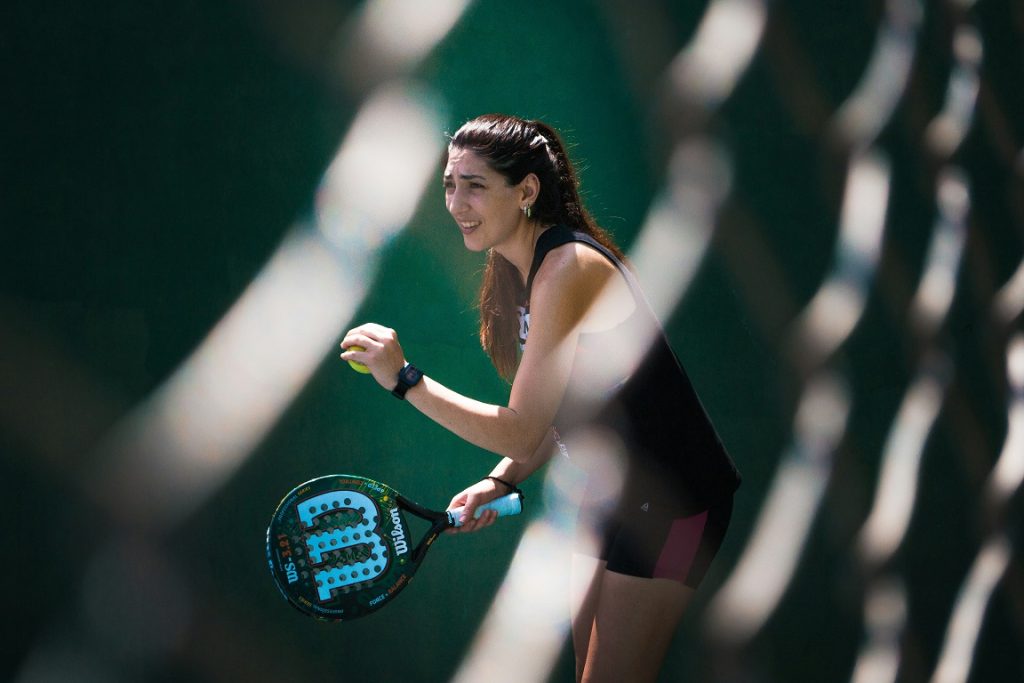
Edinburgh Embraces the Padel Tennis Revolution
It was once a quirky pursuit enjoyed in the sun-baked enclaves of Spain. Now, padel tennis has taken root in one of the UK’s most historic cities. Edinburgh, more often associated with Hogmanay fireworks, Georgian townhouses and academic brilliance, is fast becoming one of Britain’s most dynamic destinations for padel. And far from being a passing craze, the racquet sport is shaping up to be a fixture in the city’s sporting identity for decades to come.
All across the Scottish capital, courts are appearing in parks, schools and leisure clubs. Tournaments are drawing European talent. Coaching academies are flourishing. And whether it’s the student on a budget, the executive looking for after-work exercise, or the retiree seeking a sociable outlet, padel has become the racquet sport of the moment.
A Global Movement Finds a Scottish Home
Padel’s global explosion is well documented. From its Mexican origins in the late 1960s to its takeover of Spain by the early 2000s, it has since become one of the fastest-growing sports in the world. The International Padel Federation now estimates more than 30 million players worldwide. In the UK, over 450 courts are operational in 2025, and that number is growing monthly.
What makes Edinburgh’s embrace of the sport especially compelling is how naturally padel fits the city’s character. With a population that values fitness, recreation and community as much as history and heritage, the capital provides a natural environment for a sport that’s equal parts accessible, competitive and sociable.
The city’s climate, while not exactly Andalusian, has done little to dampen enthusiasm. Indoor courts, covered venues and hybrid leisure hubs are answering the call for year-round play. Sportscotland’s recent Active Lives survey identified racquet sports as among the fastest-growing categories in urban Scottish settings — with padel topping the list.
The Role of Visionary Operators
Central to Edinburgh’s rise as a padel hotspot is the role of specialist operators, with Game4Padel leading the charge. With its headquarters in the UK and a leadership team featuring high-profile investors like Sir Andy Murray, the firm has brought credibility, funding and long-term planning to the Scottish padel scene.
In 2024, Game4Padel launched its flagship multi-court venue in Edinburgh, a £1.2 million project co-funded with private equity partners and Scottish enterprise grants. The centre, situated near Sighthill, includes four floodlit courts, coaching zones, and an app-integrated booking system. Visitors can pay per session or join a low-cost monthly membership, making the game accessible without the exclusivity that often plagues traditional racquet sports.
The backing of professional athletes has been instrumental in boosting visibility. Jamie Murray, a key investor in the project, noted during the venue’s launch that padel “offers a way in for people who don’t see themselves as traditional athletes. It’s easy to start, but hard to master — the perfect sporting challenge.”
Grassroots to Grand Slams
What sets Edinburgh apart isn’t just shiny facilities but how the city has embedded padel within its grassroots culture. Several primary and secondary schools — including Broughton High and George Heriot’s — have begun offering padel through after-school initiatives. Partnerships between local education authorities and padel operators ensure subsidised access for under-18s, promoting equity and early engagement.
Meanwhile, the University of Edinburgh’s Sports Union has incorporated padel into its racquet sports programme. In spring 2025, its student-led padel society grew its membership by 90 per cent year-on-year. The sport’s appeal lies in its compact format, the ease with which newcomers can participate, and its suitability for indoor or outdoor environments — making it ideal for the erratic Scottish weather.
On the competitive side, Edinburgh has staked its claim on the international calendar. The Scottish Padel Open, hosted in the city in October 2024, drew over 2,000 spectators and players from 12 countries. This year’s edition will feature increased prize funding and logistical support from VisitScotland, with the event expected to bring in a tourism revenue uplift of around £1 million for the city’s economy.
Talks are underway with the World Padel Tour to explore a Challenger Series stop in 2026. While still in negotiation, such a move would place Edinburgh firmly on the global padel map, alongside cities like Milan, Stockholm and Dubai.
Retailers, Coaches and a Thriving Economy
Behind every growing sport is an ecosystem of professionals, businesses and suppliers — and Edinburgh’s padel economy is blossoming. Coaching is among the fastest-expanding sectors. The LTA, which officially oversees padel in the UK, has certified over 80 new padel coaches in Scotland since 2023, with many based in or near Edinburgh.
Coaching packages range from one-off 60-minute sessions to six-week group blocks, typically priced between £30 and £45 an hour. Dual tennis–padel instructors are in especially high demand, bringing transferable skills and credibility.
Retail, too, has seen a marked uplift. Local sports stores such as Run4It and Greaves Sports have introduced dedicated padel sections, while online suppliers like Padel Shack UK report a year-on-year sales increase of 130 per cent in Scotland alone.
Popular brands include Head, Adidas, Babolat and Nox, with racquet prices ranging from around £50 for entry-level models to more than £200 for tournament-ready gear. Padel-specific shoes — designed for traction on sand-infill courts — have also found a growing niche among younger players.
Notably, several Edinburgh-based entrepreneurs are entering the space with innovative offerings. One tech startup, backed by Edinburgh Innovations, is trialling wearable sensors that track player movement and shot power in real-time. The app-based feedback is designed for recreational and professional use, indicating that padel’s digital future may also be forged here.
Health Benefits: More Than Just a Game
While padel’s rise has often been linked to its sociability and novelty, its physical benefits are equally significant. A 2024 report by Public Health Scotland concluded that racquet sports — especially padel — provide a highly effective cardiovascular workout while maintaining low injury risk. The sport’s lateral movements, repetitive sprints, and reflex-based play contribute to full-body conditioning without the strain of high-impact athletics.
For Edinburgh’s ageing but active population, this is welcome news. Many players in the 50-plus bracket are turning to padel after years in tennis, squash or jogging. NHS health boards have even explored pilot schemes in the Lothians to assess the sport’s role in preventative care strategies for over-60s.
Such recognition could soon make padel a feature not just of the leisure landscape, but of Scotland’s public health policies — further solidifying its place in civic life.
Festivals, Fringe and Future Growth
There’s perhaps no city better placed to integrate padel into cultural life than Edinburgh. As home to the world’s largest arts festival, the Fringe, and with a thriving calendar of international events, the capital offers padel an unrivalled audience.
Plans are already afoot to host a showcase padel event during the Edinburgh Festival 2026. Organisers aim to set up a temporary glass-walled court in the Meadows, where spectators can watch matches while engaging in pop-up tastings, live music and wellness workshops.
The sport’s aesthetic appeal — fast, photogenic, and dynamic — lends itself to such public displays. If approved, the event could attract international broadcasters and add a contemporary sporting twist to a city steeped in cultural tradition.
It’s this seamless overlap of play, performance and place that may prove most compelling in Edinburgh’s padel story.
From Fringe to Forefront: A City That Delivers
No city adopts a sport in isolation. Edinburgh’s padel success has been shaped by several intersecting factors: visionary entrepreneurs, a willing council, flexible infrastructure, and a public hungry for new forms of engagement. The synergy between tennis clubs, schools, retailers and tourism boards has created a model that other cities — from Belfast to Bristol — are now closely watching.
Beyond courts and coaching, the sport’s arrival has catalysed new business models, from booking apps and racquet hire to padel-themed corporate retreats. Local estate agents have even begun promoting proximity to padel courts as a lifestyle feature — much like golf developments or waterside homes.
Perhaps most striking is how padel has created space for connection. In a time of digital saturation and fragmented communities, a sport that demands cooperation, physicality and eye contact is a rare thing indeed.
A Word from the Experts
Industry authorities have voiced strong support for Edinburgh’s padel evolution. Paul Shearman, Head of Padel at the LTA, recently told BBC Scotland that “Scotland is fast becoming a key player in the UK’s padel journey. Edinburgh’s infrastructure and civic openness make it a leader, not a follower.”
Financial institutions, too, are backing the trend. Barclays’ Scottish SME Index noted padel-related ventures among the top five fastest-growing recreational sectors in 2025. Access to capital, commercial leasing, and sports tech finance are all trending upwards in the segment.
For aspiring investors, operators or players, Edinburgh’s padel scene offers a compelling combination of low entry barriers and high growth potential. With many clubs offering trial memberships, racquet hire and coaching bundles, the invitation is open — whether you’re a committed athlete or simply curious to try.
A Future Served with Spin
It’s rare that a new sport embeds itself so quickly and meaningfully into a city’s character. Yet that is precisely what padel tennis has done in Edinburgh. With the infrastructure expanding, community support deepening, and international attention growing, the city looks set not just to follow the global trend, but to lead it.
As the racquets swing, the crowds grow, and the courts light up through Scottish evenings, the message is clear: padel has arrived in Edinburgh — and it’s here to stay.
Financial Disclaimer: The information provided in this article is for general informational purposes only and does not constitute financial advice. While every effort has been made to ensure the accuracy of the content, market conditions may change, and unforeseen risks may arise. The author and publisher of this article do not accept liability for any losses or damages arising directly or indirectly from the use of the information contained herein.
Copyright 2025: tennispadel.uk
Picture: Oskar Hagberg on Unsplash