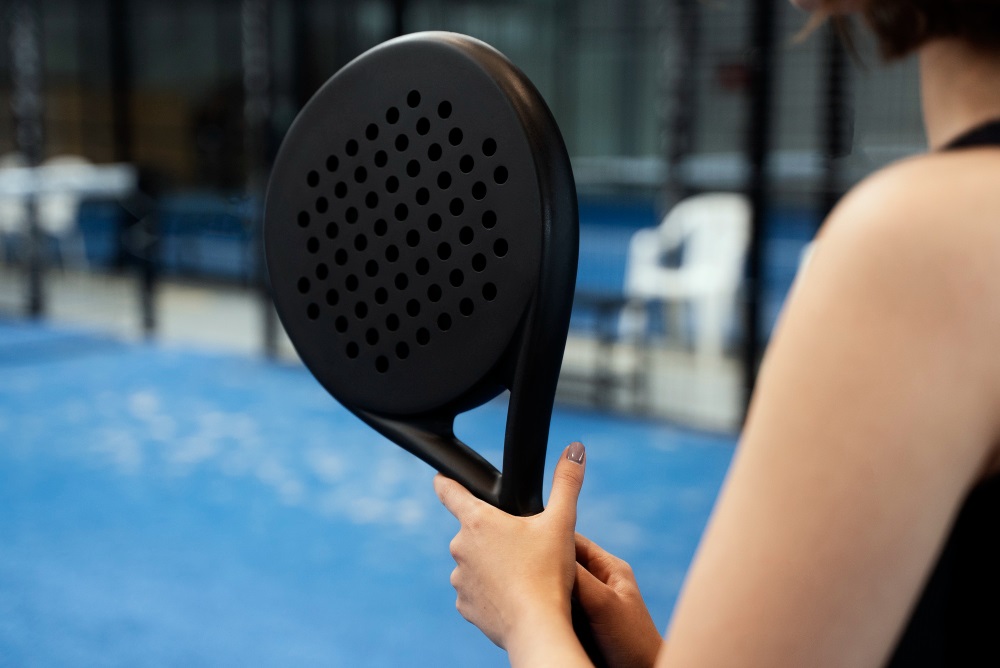
Why Padel Club Openings Spiked in August 2025
August 2025 has proven to be more than just a month of sunshine and seaside queues. Across the United Kingdom, it has quietly evolved into a transformational period for the leisure sector, marked by an unprecedented surge in padel tennis club openings, driven by a cocktail of policy incentives, private capital, and a rising middle-class appetite for structured, affordable sport.
From Cornwall to County Durham, business models rooted in community activation, return on small-scale sports infrastructure, and hybrid facility planning have coalesced into a new reality: padel tennis is not just a continental fad but a permanent fixture in Britain’s post-pandemic sporting economy.
Structural Momentum: What’s Driving the August Boom?
The sharp spike in club openings this August has not occurred in isolation. It represents the culmination of a series of structural drivers reaching critical mass:
Planning permissions granted in Q1 and Q2 2025 finally reaching completion in midsummer.
The Lawn Tennis Association (LTA) accelerating capital allocations from its £8.5m padel infrastructure fund.
Strategic partnerships between private operators (like Game4Padel, Padel4All) and mid-market gym chains.
Local councils viewing padel as a low-cost, high-yield alternative to underutilised 11-a-side pitches and failing squash courts.
As of August 2025, over 73 new padel courts have been commissioned in England alone, with Scotland and Wales accounting for a further 19 combined. This represents a 14% month-on-month increase — the highest summer growth since the LTA took padel under its governance in 2019.
Padel’s Economic Proposition: Low Footprint, High Return
What makes padel so commercially compelling — especially to local investors and operators — is its unit economics. Unlike traditional sports facilities requiring extensive land and maintenance, a standard padel court:
Occupies roughly a third the space of a tennis court
Costs between £30,000 and £65,000 to install, depending on surface, fencing, and lighting
Can be monetised at £30–£60 per hour, often generating double the revenue per square metre compared to 5-a-side football
Anecdotally, some operators in urban commuter belts report ROI within 18–24 months, accelerated by subscription-based court bookings and structured coaching programmes.
Government-backed economic evaluations of community sport suggest that each £1 invested in padel infrastructure returns £3.70 in public health and economic benefit — outperforming swimming and traditional field sports in the same bracket.
Policy Backing and Funding Accelerants
Padel’s explosion in August owes much to fiscal signals and regulatory tailwinds. Two initiatives, in particular, have played catalytic roles:
- Active Lives Infrastructure Acceleration Scheme (ALIAS)
Launched quietly in early 2025 as part of the government’s broader levelling-up framework, ALIAS offers 50% co-funding grants for small-scale, community-led sports infrastructure projects — padel courts chief among them.
Applications flooded in during Q1–Q2, but execution timelines led to a concentration of ribbon cuttings during the school holiday season — allowing many projects to double as family outreach events and soft marketing campaigns.
- Business Rates Holiday for Multi-Sport Conversions
Under a time-limited policy negotiated with Sport England and HM Treasury, facilities that convert underutilised squash courts, bowling greens, or tennis areas into padel courts qualify for 12-month business rates relief — a move that unlocked investment across 60 local authorities.
The Office for Health Improvement and Disparities (OHID) has also been encouraging Integrated Care Systems to consider padel in NHS-adjacent referral programmes for balance therapy, cardiovascular fitness, and mental health intervention.
Investor Appetite: Not Just a Sport, but a Sector
While headlines may focus on quirky social matches in converted barns, behind the scenes a more serious investor class is emerging. Padel is no longer niche; it is now a recognised asset class in sport and leisure portfolios.
In July 2025:
Game4Padel closed a £7 million Series B round, aimed at doubling its court portfolio by 2026.
Mid-sized property funds in Manchester and Birmingham began offering “sporting yield nodes” — leases pegged to community padel hub revenue.
JD Gyms entered the padel market through a joint venture with a Spanish operator, citing “compressed capital expenditure” and “revenue stickiness”.
Critically, padel is now viewed not just as an operational revenue stream but as a tenant retention driver, especially in mixed-use retail parks and health clubs with stagnating memberships.
Operational Considerations: Staff, Scheduling, and Sustainability
While the August boom is undoubtedly good for business, it has raised operational concerns — namely, a shortage of trained padel coaches and a lack of unified booking platforms.
The LTA is fast-tracking a Level 2 Padel Coaching Licence, though uptake is bottlenecked by availability.
Clubs report difficulty managing mixed-format bookings, especially where courts are dual-marked for tennis or multi-use.
On the sustainability front, operators are investing in LED lighting systems, rainwater runoff integration, and low-maintenance sand-infill turf to appeal to both planning departments and ESG-sensitive sponsors.
Some councils are exploring portable, modular padel courts — structures that can be assembled in five days and moved at will. These could prove invaluable in event-based use cases or rural deployments.
The Competitive Landscape: Will Supply Outstrip Demand?
Inevitably, sceptics are asking whether the August surge is a sign of healthy demand or frothy overconfidence.
Key concerns include:
Urban saturation risk in areas like Greater London, where court density has tripled in 18 months
Seasonality in usage, with midweek daytime bookings still underperforming projections
The potential for policy reversals if rates holidays or grants expire without replacement
However, usage metrics from Sport England’s latest Leisure Habits Quarterly indicate that padel enjoys a higher “return rate” than nearly all racquet sports, with 71% of first-time players returning within four weeks.
Demand modelling suggests that the UK could absorb 1,500–1,800 courts by 2030 without triggering price dilution — provided new installations are geographically and demographically diversified.
What Club Operators Are Doing Right
Several operators have demonstrated successful business models amidst this August boom:
Flexible Pricing: Dynamic rates for peak and off-peak hours, plus loyalty packages
Programming Depth: Social leagues, corporate days, youth camps, and “cardio padel”
Partnerships: Working with schools, NHS trusts, and employers for scheduled group bookings
Tech Integration: Use of AI-based match-making apps and smart court analytics to boost engagement
Facilities combining padel with coffee bars, wellness pods, or cross-training zones are outperforming mono-sport peers. The experience economy is at play: padel is not just something to do, but something to belong to.
Global Ripple Effects: The Internationalisation of British Padel
It would be remiss not to mention the cross-border flows now linking the British padel boom to international markets:
Spanish court manufacturers report record exports to the UK in Q3 2025
The Premier Padel Tour, which now includes a British leg, is attracting sponsors from the UAE, Italy, and Brazil
UK-based padel influencers are driving viewership spikes across TikTok and YouTube, raising the sport’s media valuation
In this context, August 2025 may well be remembered as the month Britain staked a claim in the global padel economy — not merely as adopters but as contributors.
A Sport Fuelled by Cautious Optimism
Macroeconomic Undercurrents:
The timing of this August padel boom aligns with a period of tentative economic recovery in the UK. Inflation has retreated slightly, resting at 3.2% year-on-year as of the Bank of England’s latest bulletin. Real wages have stabilised, and while consumer confidence remains fragile, there are signals of increasing discretionary leisure spending, particularly in urban and suburban markets.
Against this backdrop, padel courts — whether municipally funded or commercially operated — represent a hedge against demand volatility. Operators benefit from a predictable user base and pre-booked subscriptions, while consumers perceive the activity as low-cost, high-experience — a potent combination in periods of financial restraint.
According to Leisure Economics UK, participation in racket sports grew 9.6% year-on-year, with padel accounting for over 38% of the net new growth.
Signals from the Capital Markets and Retail Ecosystem
The retail market has begun to follow suit, with high-street sports brands increasing shelf space for padel gear. Decathlon, Sports Direct and even mid-tier department stores like John Lewis have introduced padel sections in select flagship locations.
Meanwhile, three UK-based start-ups — offering court booking platforms, AI-based match scheduling, and subscription equipment models — have successfully raised seed funding since July. This flow of capital reflects the broader belief that padel is not a trend but a scalable, investable ecosystem.
Conclusion: August as Inflection Point
Padel’s surge in August 2025 is not an anomaly — it is a signal. The sport now represents a new model for community-based enterprise, delivering social capital, economic resilience, and genuine health impact.
In a Britain facing budget constraints, NHS pressure, and the fragmentation of traditional sports loyalty, padel offers a refreshingly pragmatic answer: fast to install, fun to play, and fiscally responsible to maintain.
The key to sustaining this momentum will be governance clarity, economic foresight, and continued policy innovation — lest today’s golden summer becomes tomorrow’s missed opportunity.
Financial Disclaimer:
The information provided in this article is for general informational purposes only and does not constitute financial advice. While every effort has been made to ensure the accuracy of the content, market conditions may change, and unforeseen risks may arise. The author and publisher of this article do not accept liability for any losses or damages arising directly or indirectly from the use of the information contained herein.
Copyright 2025: tennispadel.uk
Picture: freepik.com